Local History
The History of Auchenflower
Auchenflower is an inner-western riverside suburb of Brisbane, just a few kilometres from the city on the northern bank of the Brisbane River. With a population of around 6,000, it packs a remarkable history into a compact area - a history of hilltop homesteads, Scottish premiers, railway whistle-stops, flood recovery and, more recently, high-rise apartment living. From its early days as Jagera and Turrbal country to the Sylvan Grove building at 32 Dunmore Terrace, the suburb's story is written into its streets.
Land of the Jagera and Turrbal people
Long before any of the suburb's grand homes were built, the area that is now Auchenflower was home to the Jagera and Turrbul (Turrbal) people. During the convict era the Brisbane settlement extended only as far west as Boundary Creek, and the land beyond remained the country of the area's Traditional Custodians.
European settlement of the district gathered pace from the 1850s, when pastoralists and timber getters moved into the region and the land was surveyed and divided into large rural estates.
The great estates that shaped the suburb
In the 1850s the area west of Brisbane was carved into large farms dotted with stately hilltop homes. Chemist Ambrose Eldridge built Milton House in 1854, and the district became loosely known as Milton. Further along River Road, Robert Cribb built Dunmore House in the same year - the namesake of today's Dunmore Terrace. Nearby stood John Markwell's 52-acre Moorlands Villa, later purchased by the Mayne family and eventually the home of the Wesley Hospital.
Other early landowners added to the patchwork of estates: Randall MacDonnell, an inspector of schools, built Rathdonnell House in the 1860s, while Arnold Weinholt's family held large grazing runs across the district. These properties set the pattern for the suburb - generous riverside land, commanding views and grand residences.
How Auchenflower got its name
In 1876 Brisbane ironmonger John Ward acquired a block rising from the river bank north-west to Milton Road, near the present Auchenflower railway station, and built a substantial colonial home on the highest ground. In 1880 the property was sold to Sir Thomas McIlwraith, who served three times as Premier of Queensland. He renamed the house Auchenflower after the McIlwraith family estate in Ayrshire, Scotland - the Gaelic name Achadh nan Flùrmeaning “field of flowers”.
With a serving Premier living at Auchenflower, the house became a hub of Brisbane society in the late nineteenth century, and a railway whistle-stop was added nearby to service the estate. Auchenflower railway station formally opened in 1887, and the suburb would carry the name of McIlwraith's Scottish home from then on.
Subdivision and the making of a commuter suburb
Rapid population growth in the 1880s, fuelled by immigration, put pressure on the big estates. Gradually they were subdivided into 16, 20 and 23 perch allotments for sale to working families. Torwood Estate was broken into 161 blocks in 1887; in 1899 Robert Cribb's Dunmore Estate - the land around Dunmore House - was subdivided into 461 blocks; and in 1903 the Auchenflower Estate itself was divided into 98 allotments.
The opening of the electric tram line along Milton Road in 1904 turned Auchenflower into a genuine commuter suburb. Many buyers took several blocks, which produced a characteristic mix of small workers' cottages and grand Federation-style homes with stables, kitchen gardens, poultry and the essential house cow. Trams continued to serve the suburb until they were withdrawn following the Paddington tram depot fire.
Landmarks through the twentieth century
Auchenflower's riverside position brought beauty - and floods. The great floods of 1893 swamped the low-lying estates, and the suburb was tested again in 1974 and 2011. Flood-mitigation works upstream after 1974 took some of the sting out of later events, but the river has always shaped where and how the suburb was built.
The twentieth century also layered the suburb with landmarks. Drysllwyn, later known as Raymont Lodge, was built in Cadell Street in 1904-05 for gold mining magnate William Davies, and Randall MacDonnell rebuilt Rathdonnell in 1905. The Auchenflower Presbyterian Church was established in 1913, St Alban the Martyr Anglican Church was dedicated in 1923, and in 1927 Auchenflower House - the estate that gave the suburb its name - was acquired for a Carmelite Monastery.
Moorlands passed from the Mayne family to the University of Queensland in 1940, served wartime purposes from 1941 to 1945, and then housed war widows and orphans under Legacy until 1971. In that year it was sold to the Uniting Church, and the Wesley Hospital was built in the grounds behind the house, opening in 1977. Moorlands survives today on the Queensland heritage register, alongside Raymont Lodge and the McIlwraith Croquet Club.
Auchenflower's identity was formalised in 1986. From 1975 the area had officially been a neighbourhood within Toowong, but on 16 November 1986 it regained independent suburb status - and its own place name - once more.
Key dates in Auchenflower's history
- 1876Brisbane ironmonger John Ward builds a grand home on Milton Road near the present railway station.
- 1880Thomas McIlwraith, Queensland Premier, buys the house and names it Auchenflower after his family's estate in Ayrshire, Scotland.
- 1887Auchenflower railway station opens.
- 1899Robert Cribb's Dunmore Estate, once the Dunmore House property, is subdivided into 461 blocks.
- 1904The electric tram line opens along Milton Road, turning Auchenflower into a commuter suburb.
- 1927Auchenflower House becomes a Carmelite Monastery.
- 1977The Wesley Hospital opens in the grounds behind Moorlands House.
- 1986Auchenflower regains independent suburb status on 16 November.
- 1990The Sylvan Grove apartment building is completed at 32 Dunmore Terrace.
The History of Sylvan Grove
Just a few minutes' walk from the railway station, at 32 Dunmore Terrace, stands the apartment building known as Sylvan Grove. Completed in 1990, it is a 41-lot residential building with river views over the inner west - but the ground it stands on carries much older history.
Dunmore Terrace takes its name from Dunmore House, the home Robert Cribb built in 1854 on the riverside estate. When Cribb's Dunmore Estate was subdivided in 1899 into 461 blocks, the terrace became one of the suburb's principal streets. A century later, as the Toowong and District Historical Society puts it, “Dunmore Terrace where Robert Cribb once lived is now dotted with high-rise apartments” - Sylvan Grove among them. The building is part of that same long arc from grand homestead to modern inner-city apartment living.
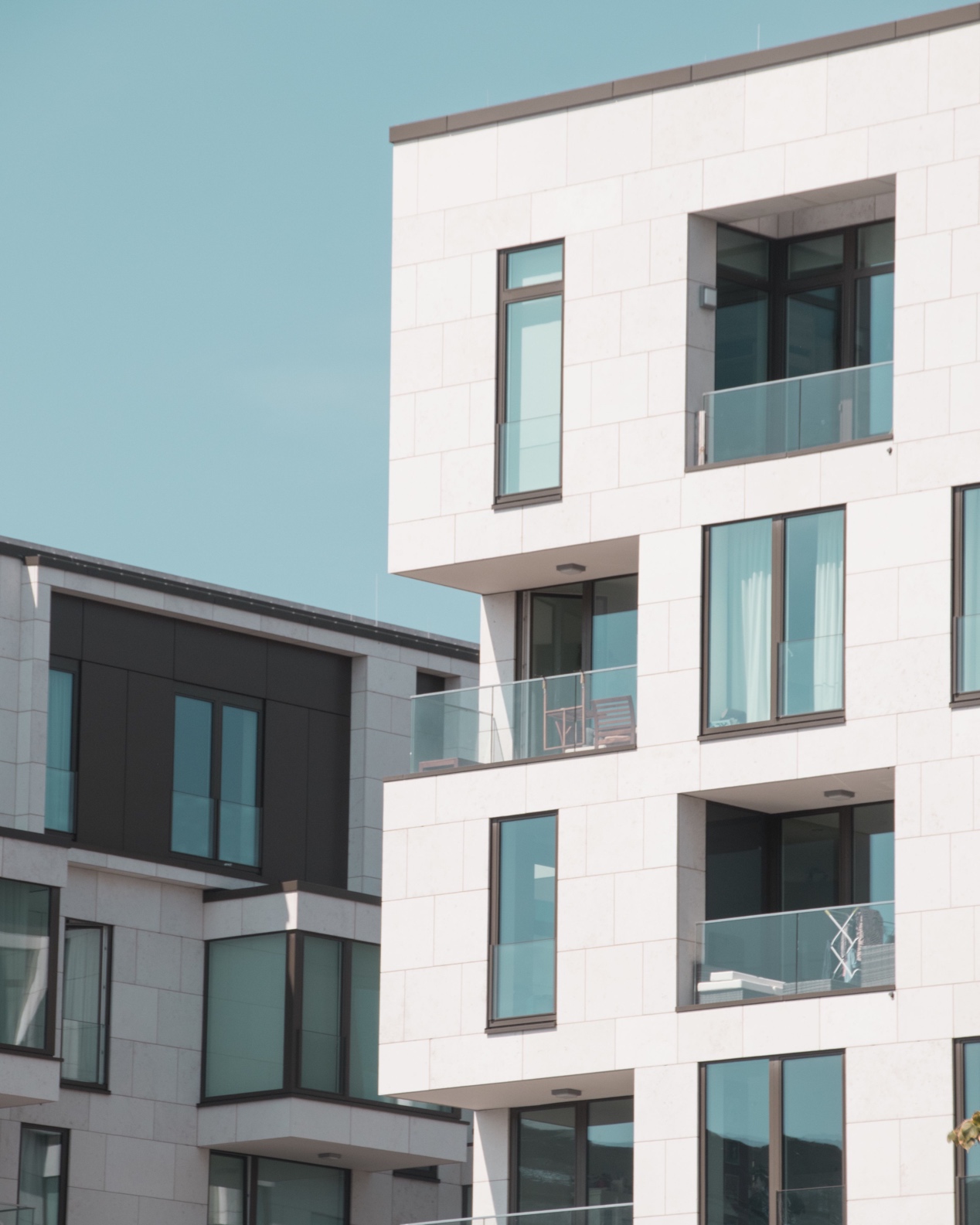
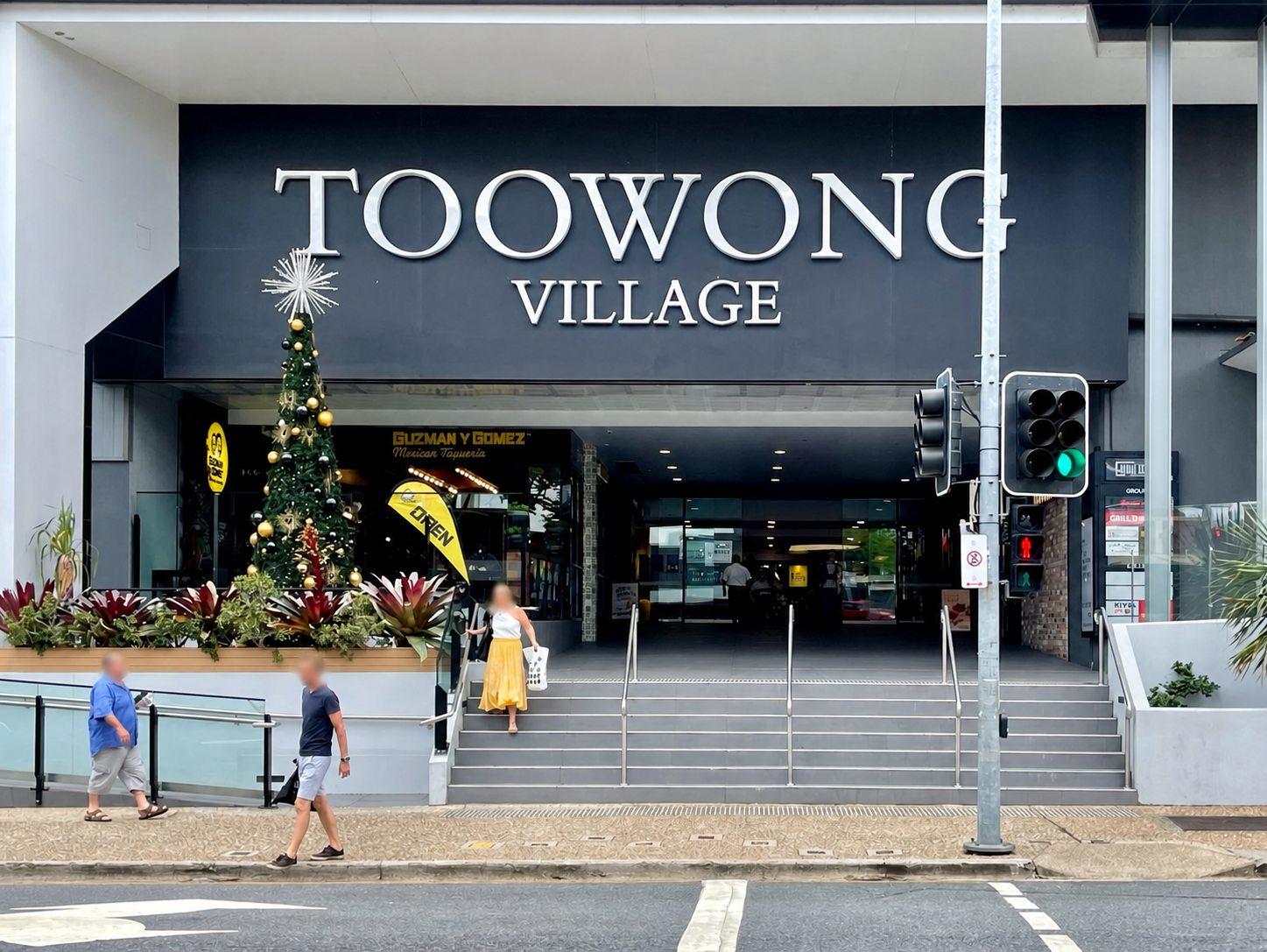
Today the Sylvan Grove building sits in one of Brisbane's most connected precincts: within easy reach of the Wesley Hospital, Auchenflower railway station, the Bicentennial Bikeway along the river, and the cafes and shops of Milton Road and Toowong Village. For property owners in the building, the suburb's history and its present-day convenience come together in a genuinely popular place to live.
Get Started Today
Ready to Get Started?
Whether you're looking for your next rental or need expert property management, we're here to help.